
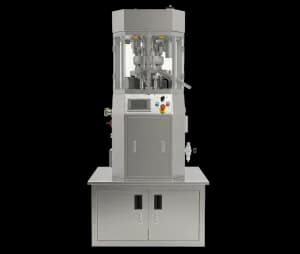
ECO III SL
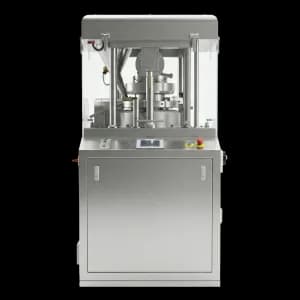
Stations:12
Main Pressure:10 Ton
Max Output:>18,000/hr
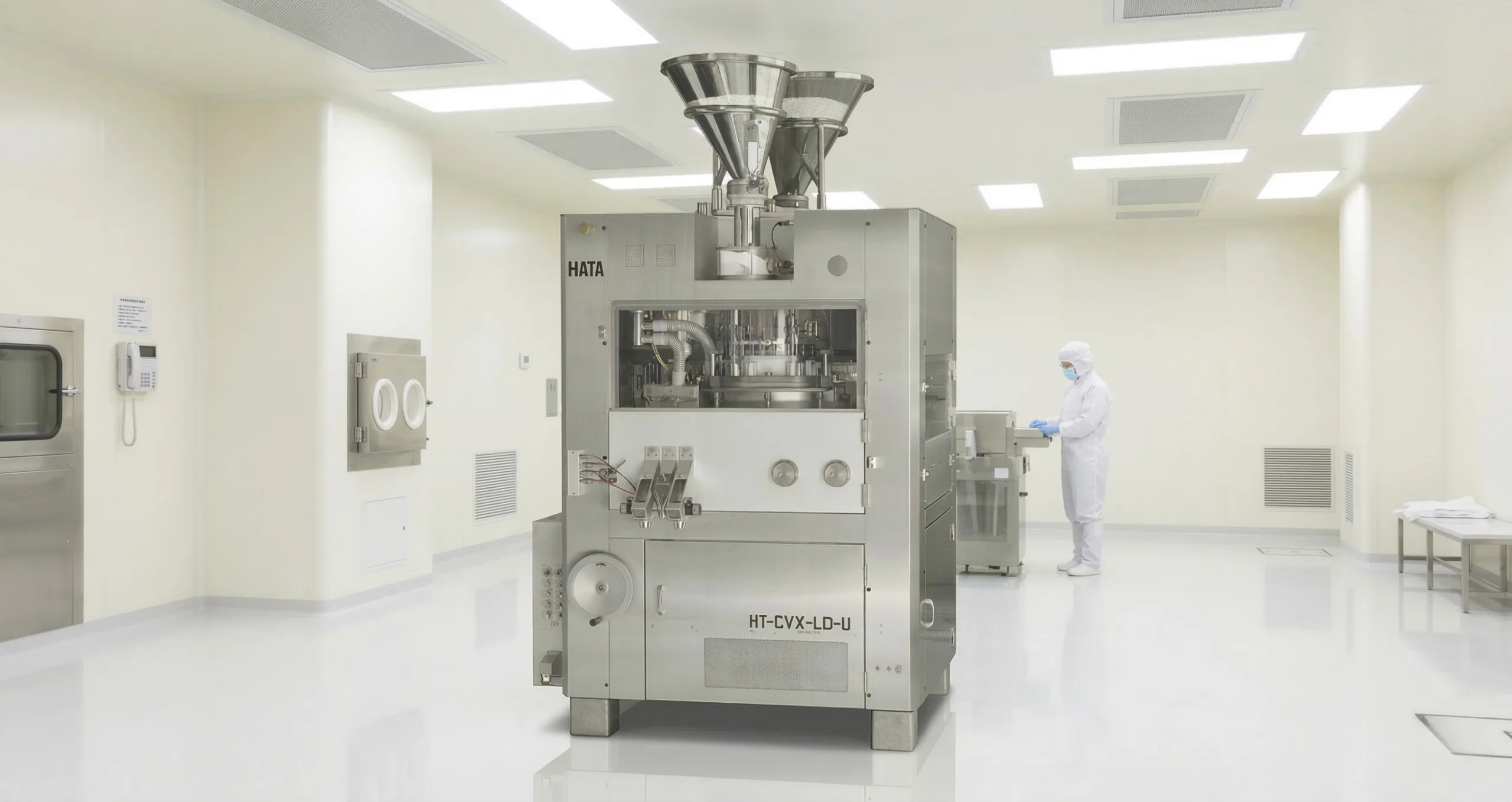
High-performance rotary tablet presses designed for reliable operation, consistent tablet quality, and efficient manufacturing results.

Economical, robust, and easy to operate. The ECO series delivers reliable performance for standard production needs.
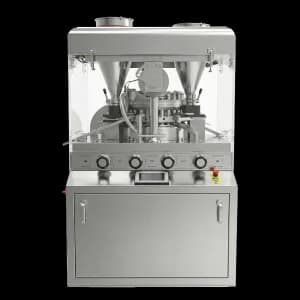
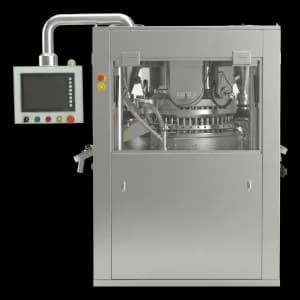

Advanced interchangeable turret presses designed for flexibility and rapid changeovers.
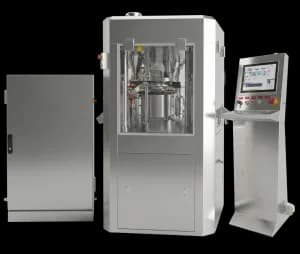
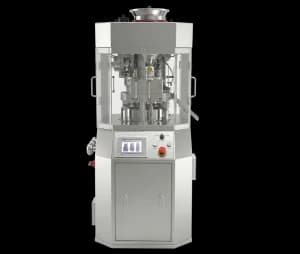

The Japanese standard for precision. High-tonnage, multi-layer, and core tableting solutions.
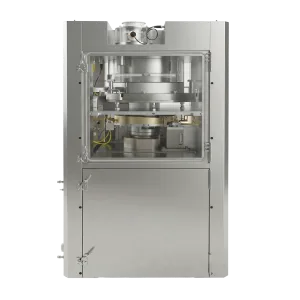
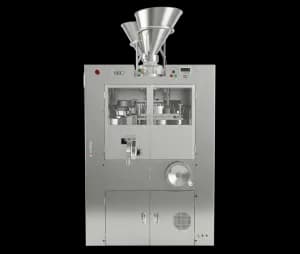
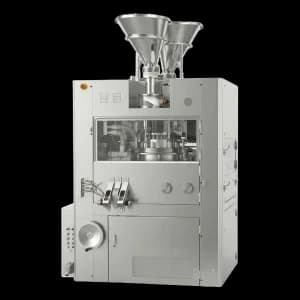
A rotary tablet press is a high-speed machine that compresses powder into tablets using multiple sets of punches and dies mounted on a rotating turret. It allows continuous production of large volumes of tablets.
A rotary tablet press operates through a continuous cycle of filling, compression, and ejection. As the turret rotates, each station forms tablets by compressing powder between punches inside a die.
Key components include:
These parts work together to produce tablets at high speed.
A rotary tablet press produces multiple tablets per rotation, while a single punch press makes one tablet at a time. Rotary presses are used for high-volume production, while single punch presses are suited for small batches.
Rotary tablet presses offer:
They are ideal for large-scale manufacturing.
Production depends on the number of stations and turret speed. Modern machines can produce hundreds of thousands of tablets an hour.
Yes. By changing the punch and die tooling, rotary presses can produce tablets in various shapes, sizes, and designs, including tablets with logos or scoring.
Rotary tablet presses are commonly used in:
They are widely used anywhere high-volume tablet production is required.
Key factors include:
Selecting the right press helps improve efficiency and product consistency.
Consistency is achieved through precise powder feeding, controlled compression force, and synchronized machine components. Modern systems also include monitoring and automation to maintain uniform weight and hardness.