
Tablet Compression Tooling
The world’s most trusted punches and dies, engineered from 100% domestic electric furnace steel. Precision, durability, and innovation for every tableting challenge.
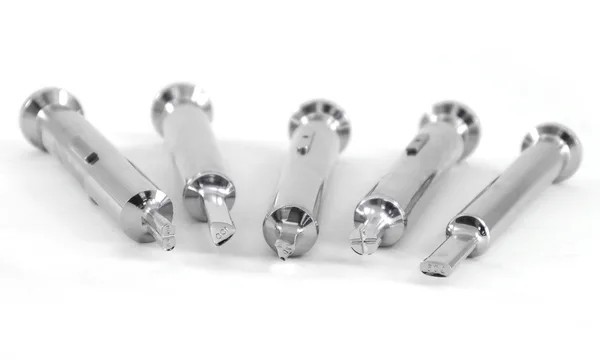
Pharmaceutical Tooling
Standard TSM & EU configurations designed for high-speed precision. Our pharmaceutical tooling minimizes sticking and picking while ensuring consistent tablet weight and hardness.
If you already know the specifications and design of your tooling, you can submit a tooling form request below.
Finish
Steel
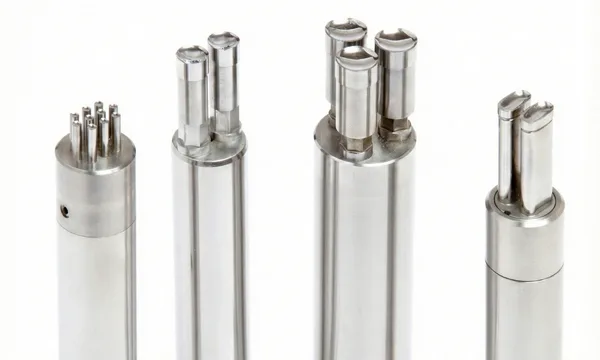
Multi-Tip Tablet Tooling
Increase tablet output by up to 300% without investing in new presses. Our multi-tip solutions are precision-keyed for alignment, ensuring perfect tip-to-die entry.
If you already know the specifications and design of your tooling, you can submit a tooling form request below.
Assembly
Monoblock
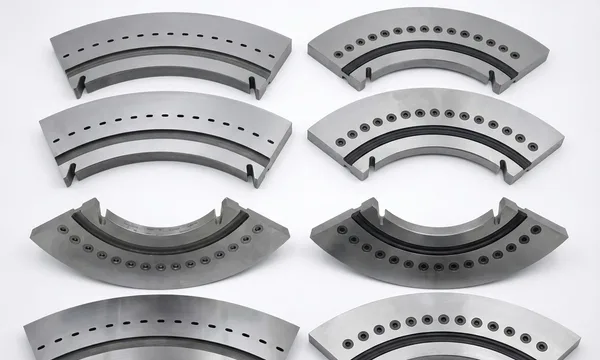
Replacement Die Segments
Patented segment technology that allows for rapid changeovers. Replace individual dies with a single segmented arc, eliminating bore cleaning and reducing setup time by up to 70%.
Arc
Lock
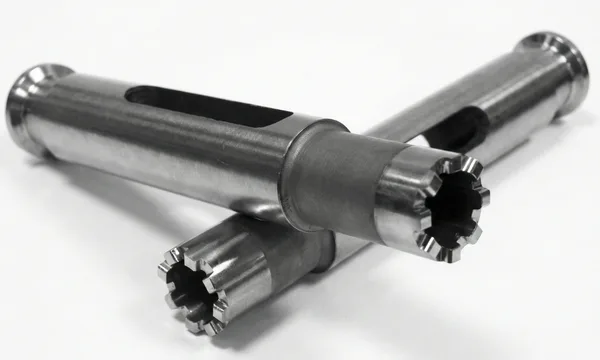
Core-Rod Solutions
Specialized tooling for ring tablets and complex geometries. Our floating and stationary core rod designs ensure perfect concentricity for catalysts and hollow cylindrical products.
Tablets
Rods
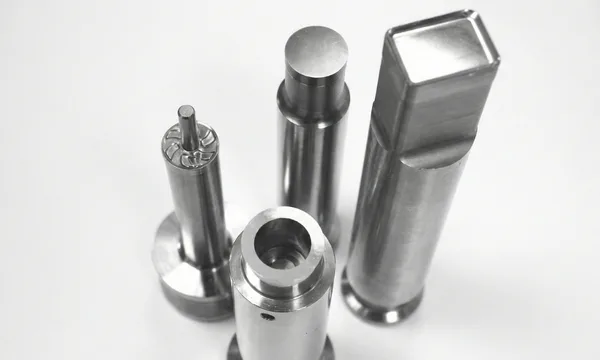
Industrial Applications
Heavy-duty solutions for ceramics, batteries, catalysts, and confectionery. Engineered with reinforced heads and shortened stems to withstand high-tonnage compression of abrasive materials.
Lined
Shapes
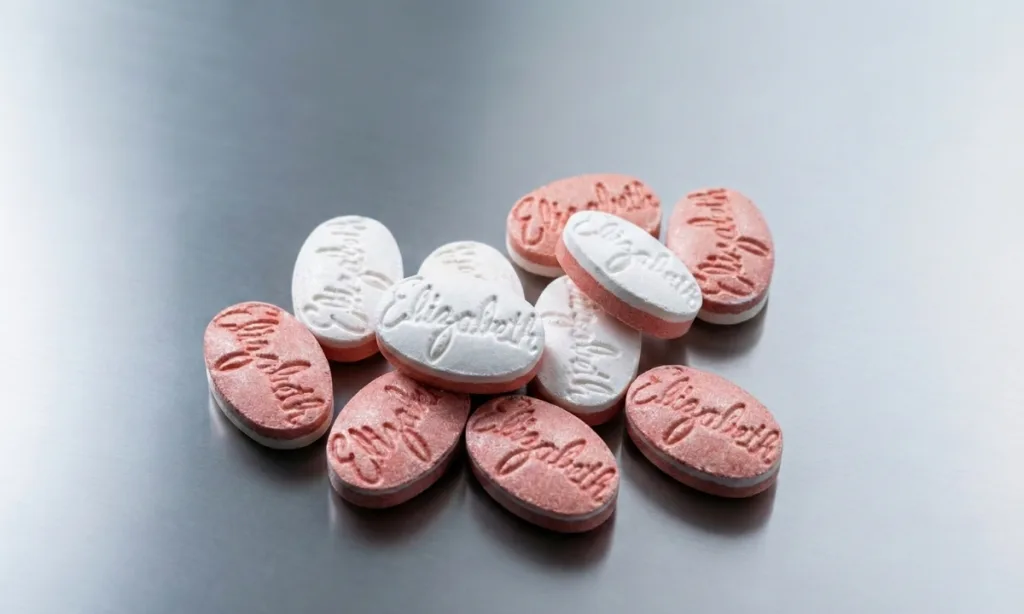
From pharmaceutical tooling to industrial tooling applications, every year new customers place their trust in Elizabeth to consult, engineer and deliver the highest quality tablet compression tooling within the industry.
Elizabeth offers superior quality tablet tools (punch and die) for excellent performance and long tooling life! For over 70 years our formula for success has started with the use of the highest quality tool steel, carbide and ceramic from the world’s finest suppliers.
"We do not simply take orders; we help our customers make good decisions."
Dependable Performance & Service Excellence – Our design, engineering, and customer service departments are unequaled in the industry.
Triple-E Tooling System
Leading through innovation, Elizabeth introduced Triple-E tooling – “Easy, Efficient, Economical” – which is so precise that it is totally interchangeable, making setup and changeover faster, easier and virtually error-proof.
ELIZATAB™ Prototyping
ELIZATAB™ tablets were developed to enable the customer to hold in their hands amazingly realistic prototypes of new tablet products before making a large investment in new tooling.
Specialty Materials & Coatings
Through decades of experience, Elizabeth has developed proficiency in the use of numerous materials and coatings to enhance compression efficiency and extend tooling life.
Tungsten Carbide
An extremely hard material providing 3-10X life improvement compared to standard materials. Ideal for highly abrasive formulations.
440C Stainless Steel
High Chromium stainless steel that resists oxidation. Perfect for very humid environments and washable tablet presses.
Chrome Plating
Surface application providing corrosion resistance and lubricity to reduce sticking of powder to punch surfaces.
Titanium Nitride (TiN)
A gold-colored surface application that provides improved wear and corrosion resistance for general purpose tableting.
Chromium Nitride (CrN)
Premium silver-grey coating offering superior resistance to punch wear, corrosion, and sticking issues.
Ion Beam Enhanced Deposition (IBED)
Advanced coating process offering superior resistance to wear, corrosion, and sticking, with certain coatings providing added lubricity to punch surfaces.
Our technical staff will consult with you to discuss trade-offs between materials based on your specific formulation.
Contact EngineeringTablet Compression Tooling FAQs
What is tablet compression tooling?
Tablet compression tooling includes the punches and dies used in a tablet press to form tablets. These components determine the tablet’s shape, size, and markings while ensuring consistent performance in high-speed production environments.
What are the main components of tablet tooling?
Tablet tooling consists of three main parts:
- Upper punch
- Lower punch
- Die
Each component must be precisely engineered to work together under pressure and maintain consistent tablet quality at scale.
How does tablet compression tooling work in high-speed presses?
In high-speed tablet presses, powder is filled into a die and compressed between the upper and lower punches. Precision tooling is critical to maintain uniform tablet weight, hardness, and shape across large production runs.
What tooling types are used in tablet presses?
Common tooling types include:
- B tooling
- D tooling
- BB tooling
- DB tooling
The right type depends on tablet size, press specifications, and production requirements.
How do I choose the right tooling for my tablet press?
You should consider:
- Tablet size and shape
- Press compatibility
- Production speed
- Formulation characteristics
Choosing the right tooling helps reduce downtime and improve consistency.
Why does tooling quality matter in tablet manufacturing?
High-quality tooling helps:
- Maintain tight weight and hardness tolerances
- Reduce defects like capping or sticking
- Extend equipment life
- Support continuous, high-speed production
Poor tooling often leads to production inefficiencies and increased wear.
Can tablet tooling be customized for specific applications?
Yes. Tooling can be customized for:
- Unique tablet shapes
- Logos or embossing
- Scoring features
- Challenging formulations
Customization helps meet branding and functional requirements without sacrificing performance.
How do I know when tablet tooling needs replacement?
Common signs include:
- Visible wear or damage
- Tablet defects
- Inconsistent weight or hardness
- Increased machine strain
Routine inspection helps prevent unplanned downtime.
What tablet tooling is best for high-speed tablet presses?
Tooling for high-speed presses needs tight tolerances, strong materials, and consistent finishing. Precision manufacturing helps maintain tablet uniformity and reduces wear during continuous operation.
How can I reduce sticking during tablet compression?
Sticking can be reduced by:
- Using proper tooling coatings
- Improving formulation flow
- Polishing punch faces
- Adjusting compression settings
Tooling surface finish plays a big role in preventing buildup.